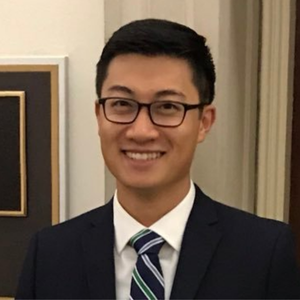
 Dr. Jacques Nguyen: Behavior and Neural Circuits Underlying Opioid Addiction and Dependence By Sally Huskinson, Ph.D., Animals in Research Committee Member The opioid overdose crisis has received considerable attention since the beginning of the 21st century, and while the current (third-wave) crisis is fueled largely by synthetic opioids like fentanyl, oxycodone is still among the most prescribed opioid analgesics for the treatment of pain. Unfortunately, those who misuse oxycodone or other prescription opioids are at an increased risk of transitioning to illicit opioid use, particularly when their prescription has ended and/or during periods of withdrawal. Surprisingly few preclinical researchers have evaluated neurobiological mechanisms underlying key features of addiction with oxycodone, including escalation of drug intake, the development of physical dependence, and withdrawal. This is one area of focus in the laboratory of Dr. Jacques Nguyen, Ph.D. Currently, Dr. Nguyen is an Assistant Project Scientist in the Department of Psychiatry at the University of California San Diego in La Jolla, California. Dr. Nguyen was recently awarded a K99/R00 Award from the National Institute on Drug Abuse (NIDA) to elucidate behavior and neural circuits underlying opioid addiction and dependence, and this award has already produced important results. In a recent publication (Nguyen et al. 2021, British Journal of Pharmacology), Dr. Nguyen and his colleagues used Wistar rats in intracranial self-stimulation (ICSS), a procedure in which an animal responds on an operant manipulandum (e.g. quarter turn of a wheel) to receive pulses of electrical brain stimulation to a brain region of interest, often in the medial forebrain bundle, and ICSS thresholds can be obtained. When ICSS thresholds are lowered, this reflects a facilitation of brain stimulation reward, and acute administration of drugs of abuse, like oxycodone, lower ICSS thresholds. When ICSS thresholds are elevated, this reflects reduced or diminished reward. Elevated thresholds occur following activation of kappa-opioid receptors and during withdrawal from chronic opioid administration. In addition to their ICSS procedure, Dr. Nguyen and his colleagues used intravenous oxycodone self-administration to investigate potential affective consequences (via ICSS) of escalating opioid intake as well as withdrawal from opioid self-administration. Different groups of male Wistar rats self-administered oxycodone in either short- (1-hour sessions) or long- (11 or 12-hour sessions) access conditions. Subjects completed self-administration sessions five days per week, and this was followed by an intermittent, 60-hour discontinuation of access to oxycodone. As expected, subjects in the long-access group escalated their oxycodone intake while subjects in the short-access group did not escalate their oxycodone intake. Furthermore, escalation of intake increased in a stepwise pattern across successive weeks of oxycodone self-administration beginning with the first day following the 60-hour abstinence period. This latter finding indicates a facilitation of escalation of drug intake after intermittent abstinence, and if translated to humans, suggests that drug taking will be greater after a period of abstinence than the prior drug-taking episode. Moreover, escalated intake was associated with elevated ICSS thresholds, indicative of a diminished reward state and of a growing negative affective state that could be blocked via administration of a kappa-opioid receptor antagonist. Perhaps the most unexpected finding was that elevated ICSS thresholds began to normalize following the 60-hour abstinence period, and this normalization paradoxically facilitated escalation of oxycodone intake once long-access self-administration sessions resumed. In addition, ICSS thresholds could be normalized by providing access to a 1-hour oxycodone self-administration session. Dr. Nguyen also found that pretreatment with the phytocannabinoid, Δ9-tetrahydrocannabinol (THC), reduced oxycodone intake but did not alter the increase in reward threshold that was observed across sequential self-administration sessions, likely illustrating changes in the reinforcing efficacy of a unit dose of oxycodone. From these experiments, Dr. Nguyen and colleagues concluded that changes in brain reward function (i.e., ICSS thresholds) that occur during escalation of oxycodone intake were driven by an interaction between negative affective states and restoration of brain reward status during longer periods of abstinence. These results have clinically meaningful implications for adherence to prescription opioid medications in that early nonadherence could serve to increase prescription opioid intake following the period of nonadherence. Dr. Nguyen completed his doctoral training with his mentors, Drs. Michael Forster and Michael Gatch, in Biomedical Sciences-Pharmacology and Neuroscience at the University of North Texas Health Science Center in Fort Worth, Texas and his postdoctoral training with his mentor, Dr. Michael Taffe, in Neuroscience at the Scripps Research Institute in La Jolla, California. Dr. Nguyen has been a member of CPDD since 2011 and is a regular attendee at the Annual Meeting for CPDD. In addition, Dr. Nguyen was the recipient of the prestigious Stephen G. Holtzman Travel Award for Preclinical Investigators in 2019 and has been a member of the Code of Conduct Working Group for CPDD since 2018 and the CPDD Communications Committee since 2021.
