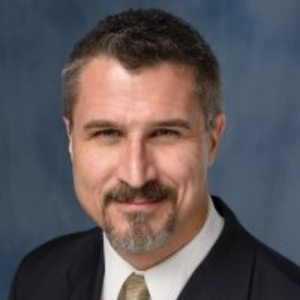
 Dr Jay McLaughlin: Screening Novel Compounds as Analgesics and Therapeutics By Lance McMahon, Ph.D., Animals in Research Committee Member In a time of intense focus on the opioid crisis, some have been committed to providing solutions for decades. Enter Jay McLaughlin, Ph.D., an Associate Professor of Pharmacodynamics at the University of Florida. With a cadre of multidisciplinary collaborators including Lawrence Toll, Siobhan Malany, Susruta Majumdar, Jane Aldrich and Christopher McCurdy, Jay has been intensely focused on analgesic drug discovery and development, including both small and large molecules spanning multiple targets within the CNS and peripheral pain-related pathways. But Jay’s scientific prowess does not stop there, as he also investigates biological mechanisms by which HIV mediates neuropathology and alters behavior, including drug abuse and dependence. Jay’s overarching research goal is to identify the neurobiological systems underlying behavior and psychological disorders, to characterize them, and to develop new therapeutic interventions utilizing molecular, pharmacological, anatomical and behavioral methods. His projects encompass both basic science and drug discovery elements. Screening of novel compounds as analgesics and therapeutics for drug abuse has been central to Dr. McLaughlin’s scientific mission. Continuing a 14-year collaboration, he works with Jane Aldrich at the University of Florida to explore peptide kappa opioid agonists and antagonists as therapeutics for substance abuse. These include a set of cyclic tetrapeptides showing both mixed opioid-receptor agonism and kappa-opioid receptor antagonism, which may have promise as both analgesics and therapeutics for drug abuse. Newer compounds arising from this series show multifunctional opioid activity while preventing relapse to extinguished cocaine-seeking behavior, and in recent tests, morphine-seeking behavior. An additional collaboration seeking novel analgesics is currently underway with Chris McCurdy at the University of Florida. This collaboration has yielded two lines of research. In the first, novel sigma receptor ligands are being characterized for analgesic effects, particularly for alleviation of neuropathic pain, without addictive or sedative effects. In a second project, small molecule guanidine-piperidine agonists and antagonists selective for neuropeptide FF (NPFF)-receptor subtypes are showing promise as an approach to prevent acute morphine antinociceptive tolerance. Particularly intriguing are ligands from this series with dual opioid- and NPFF-receptor activity. The widespread use of combined antiretroviral therapies has worked to curtail the expression and spread of the Human Immunodeficiency Virus (HIV), but neuropathological and behavioral disorders persist that cannot be presently accounted for as mere symptoms of the disease. These deficits, which include motor incoordination, learning and memory disruption, and affective disorders, comprise a syndrome referred to as NeuroAIDS. The HIV regulatory protein, Tat, has been implicated in the pathogenesis of HIV-1 neurological complications, but direct demonstrations of the effects of Tat on behavior and neurodegeneration in an intact organism in vivo are limited. Jay is currently on the front lines working with innovative animal models such as Dr. Johnny He’s iTat mouse. These mice contain a doxycycline (Dox)-inducible and brain-selective tat gene coding for Tat protein, allowing the controlled expression of Tat protein for selective study on desired pathological and behavioral questions. Jay is pioneering the use of iTat mice to test the hypothesis that the activity of Tat in brain is sufficient to produce neuronal dysfunction and neurodegeneration leading to behavioral deficits in learning and memory performance, mood disorders, and increases in drug-seeking behaviors. Dr. McLaughlin’s scientific family tree consists of a who’s who in opioid receptor chemistry, pharmacology and physiology. Jay received PhD training under the mentorship of Jean Bidlack, PhD, Professor of Pharmacology and Physiology at University of Rochester Medical Center, followed by postdoctoral training under Charles Chavkin, PhD, Professor of Pharmacology at the University of Washington. Prior to joining UF, Jay was an Assistant Professor of Psychology at Northeastern University and an Associate Member at the Torrey Pines Institute for Molecular Studies in Port St. Lucie, Florida. Among his numerous talents, Jay has a rapier wit, which is sometimes evidenced by his uncanny knack for explaining life’s deepest complexities by analogy to popular song and film from the 80s. When that doesn’t work, current Netflix series provide reasonable consolation. Dr. McLaughlin first starting attending CPDD as a student in 1995, and has been a member since 2005.
