
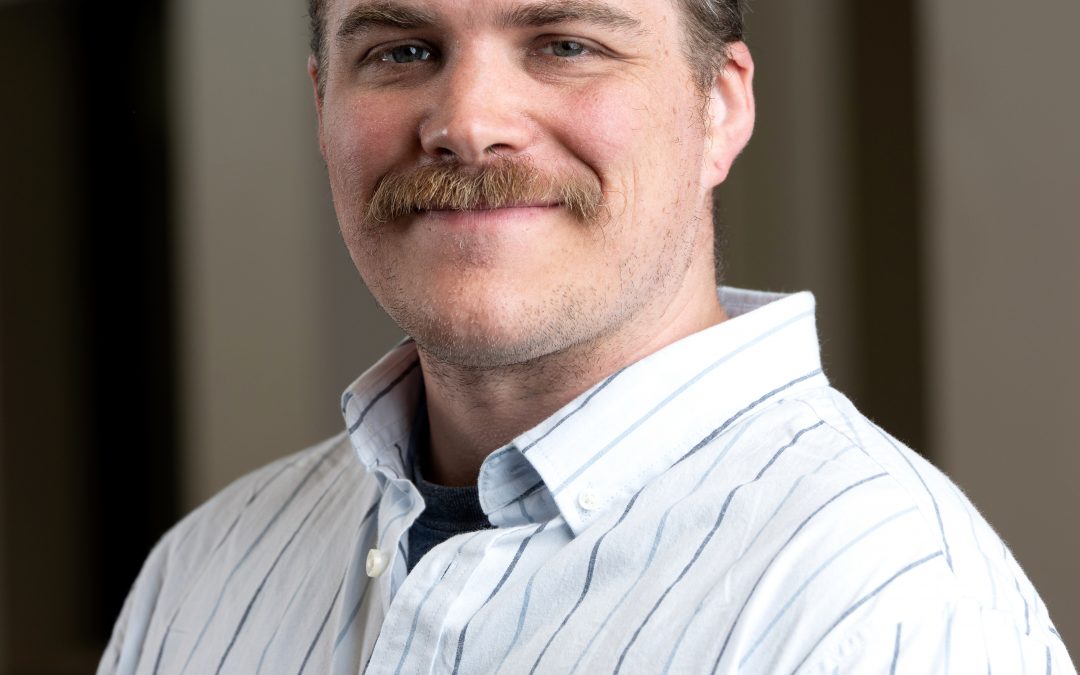
CPDD is proud to announce our 2026-27 Animal Research Policy Fellow, Alex Lekander, Ph.D., a neuroscientist, educator, and science communicator who uses improv to engage the public in conversations about neuroscience and biomedical research. The fellowship is a partnership between The College on Problems of Drug Dependence and the health research advocacy group Americans for Medical Progress (AMP). The fellowship aims to cultivate the next generation of science policy advocates who are dedicated to promoting the essential role of animal research in addressing drug use and use disorders.
Animal models remain a cornerstone of research into the neurobiological and behavioral underpinnings of substance use disorders. However, these critical tools face growing scrutiny through legislative, policy, and public pressure. There is a clear and urgent need for scientists - particularly those early in their careers - to gain direct experience in the policy landscape and become equipped to advocate effectively for the continued use of humane and ethical animal research in this space.
This fellowship provides emerging scientists with mentorship, experience, and training at the intersection of science, policy, and advocacy, ensuring the continued advancement of research that informs solutions to pressing public health challenges.
“Alex stood out to the selection committee for the breadth of his research experience, his commitment to science communication, and his interest in public policy,” said Dr. Naomi Charalambakis, Director of Communication and Science Policy for Americans for Medical Progress. “He brings a strong understanding of the importance of animal models in biomedical research and a thoughtful perspective on their role in an evolving research landscape.” Dr. Lekander recently completed his Ph.D. at the University of Michigan and has more than a decade of experience working with preclinical models. Now a neuroscience lecturer at the University of Michigan, he is also active in community engagement through the university’s Science Communication Fellows and neuroscience improv group,
the No-Brainers.
“I look forward to gaining formal training in science policy that complements my experience as a researcher and science communicator,” said Dr. Lekander. “I hope to learn more about how scientific findings are turned into policy recommendations and legislation, and how scientists can better engage with policymakers.”
Through the fellowship, he hopes to build the policy expertise needed to pursue a career supporting science- and evidence based public policy.