
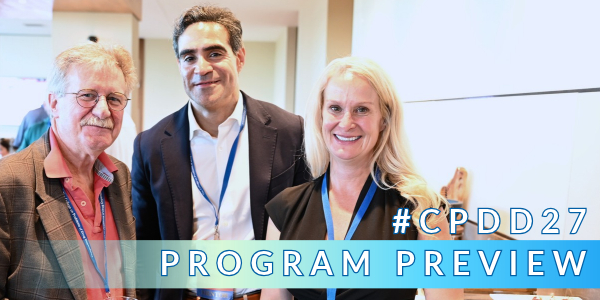
Registration is now open for the CPDD 89th Annual Scientific Meeting, June 26–30, 2027, in Toronto, Ontario, Canada. For nearly nine decades, CPDD has created a scientific home where addiction research is presented, questioned, refined, and placed within a broader understanding of the field. In 2027, that work continues with a program designed to bring together emerging science, established knowledge, community experience, and perspectives from across the translational continuum.
Early Bird Registration is now available.
Take a first look at what is taking shape for Toronto—and make plans to be part of the scientific conversation.
A First Look at #CPDD27 Toronto: Advancing Scientific Conversation in Addiction Research
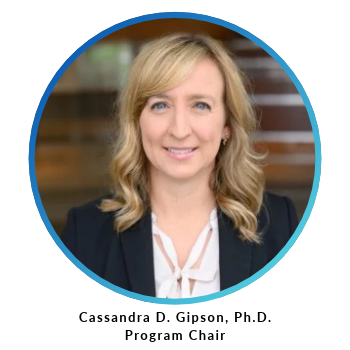 The scientific program for the CPDD 89th Annual Scientific Meeting, June 26–30, 2027, in Toronto, is beginning to take shape with a strong emphasis on timely and important topics in addition research.
Each year, the Annual Scientific Meeting creates a place for substance use disorder research and addiction science to be examined from multiple perspectives and across the translational spectrum. Emerging evidence encounters established knowledge; assumptions are tested through questions and debate; and findings from one area of research informs questions in another. This is central to CPDD’s role in the field – the scientific home where the research presented becomes part of a larger scientific conversation.
For 2027, the Program Committee is building on that tradition while looking closely at the questions, methods, and perspectives that can help deepen our collective understanding of substance use and substance use disorders.
This year, we are focused on the importance of integrating community experience into our translational addiction research. As such, we have dedicated thematic submissions based on tying together empirical findings with lived/living experience. We are also showcasing addiction neuroscience with a focus on NIDA’s newly proposed strategic plan and highlighting the latest updates in the medications development pipeline in our third annual NeuroBurst special track. We are continuing our translational scientist pairing program, which enables preclinical and clinical scientists the opportunity to discuss and collaborate on important scientific questions. Finally, we have identified cutting-edge topics to highlight in our symposia this year throughout the full program. Together, our in-person programming for the 2027 meeting is not to be missed!
Following the Questions Emerging Across the Field
Early program planning points to a scientific agenda that spans established areas of inquiry as well as questions gaining new attention.
Among the topics receiving strong interest from the Program Committee are GLP-1 medications and substance use disorders, artificial intelligence in clinical practice and research, and cannabis intervention development. The committee is also exploring programming around novel formulations and therapeutic approaches, ways to bridge data and clinical research, and a less conventional but scientifically important question: What can the field learn from methods or interventions that did not work as expected?
Progress depends not only on highlighting successful findings, but on examining limitations, unexpected outcomes, and approaches that require refinement. Making room for those conversations can help researchers build upon the full body of evidence rather than only its successes.
Additional areas raised during planning include polysubstance use and treatment, substance use disorders in youth and early intervention, stimulant and methamphetamine treatment, precision neuromodulation, women’s health and substance use across the reproductive life course, psychedelics, and other emerging areas of research. These discussions are helping the committee consider how the final program can reflect the range of scientific questions currently engaging the field.
Bringing Lived and Living Experience Into the Broader Program
One of the important developments for 2027 will be the continued integration of Lived and Living Experience (LLE) into the scientific program.
Following strong feedback about LLE programming at the 2026 Annual Meeting, the Program Committee is working toward a model that places these perspectives within the broader scientific meeting rather than treating them as separate from it. Current planning includes four sessions designed to meaningfully incorporate lived and living experience into their scientific content.
The goal is not simply to create a distinct space for these perspectives, but to consider where they can deepen scientific discussion throughout the meeting. Integrating lived and living experience alongside other forms of expertise can help researchers examine questions in fuller context and consider how evidence is understood by the people and communities most directly affected by substance use and its consequences.
The Real World of Addiction, Woven Throughout CPDD 2027
The Real World of Addiction (RWOA) will also evolve in 2027. Rather than continuing RWOA primarily as a stand-alone track, the intention is for its themes and priorities to be reflected more broadly across the scientific program. This approach recognizes that questions about how addiction is experienced, treated, and addressed outside traditional research settings are not separate from the scientific enterprise—they provide important context for it.
Current plans also anticipate the return of RWOA mentoring, along with a workshop that will continue themes developed by last year’s track leaders. By weaving this work through the larger meeting, CPDD can create more opportunities for research across the continuum to be considered alongside the realities that shape its application.
NeuroBurst Returns
The 3rd annual NeuroBurst special track will return in Toronto, bringing concentrated attention to neuroscience questions with relevance across addiction research. This year, we identified key neuroscience topics highlighted in the newly proposed NIDA strategic plan (for 2027-2031) and also give the CPDD community the opportunity to hear the latest cutting-edge research topics identified by NIDA’s Divisions of Neuroscience and Behavior and Medical Consequences and Therapeutics. These sessions will showcase cutting-edge research in critical topic areas including addiction neuroscience throughout the lifespan, neurobiological mechanisms of drug use and treatment, and the latest in the medication development pipeline for SUDs.
Programming currently in development includes a keynote by Dr. Paul Kenny examining GLP-1 receptors and the cellular mechanisms of drug craving, as well as sessions exploring the neurobiology of substance use across the lifespan and the neurobiology of GLP-1 receptor signaling in substance use. Confirmed participants identified during planning include Drs. Paul Kenny, Yasmin Hurd, Luis Tuesta, Tristan McClure-Begley, David White, Ivan Montoya, Roger Little, and Heath Schmidt.
Another planned NeuroBurst session, “From the Bench to Better Treatments: NIDA’s SUD Therapeutics Development Highlights,” will focus on the progression of therapeutic research toward potential treatments, further illustrating the continuum of science represented within the Annual Meeting.
Bring your Science to the Meeting
Of course, much of the CPDD 2027 program has yet to be written. It will be shaped by the symposia, workshops, abstracts, posters, and oral presentations submitted by researchers across the field. Every contribution adds another piece to the scientific picture. That is one of the enduring strengths of the Annual Scientific Meeting. CPDD brings together work spanning foundational discovery, translational science, clinical investigation, treatment, epidemiology, population research, and real-world application so that individual findings can be considered within a much broader scientific context.
See Where the Conversation Goes Next
The 2027 program will continue to evolve over the coming months as submissions are reviewed and researchers from across the addiction science community add their work to the meeting. What is already clear is the intention behind #CPDD27: to create a scientific environment where evidence can be scrutinized, ideas refined, perspectives broadened, and new questions brought into focus.
There's still time to submit for Poster & Oral Abstracts - Submissions Due January 7, 2027
Submit for a Travel Award - Submissions Due January 17, 2027
Register at the Early Bird Rate Today!